Sports injuries and recovery set the stage for this enthralling narrative, offering readers a glimpse into a story rich in detail and brimming with originality. From understanding the types of injuries to exploring prevention strategies and innovative technologies, this topic delves into the world of sports injury management with depth and expertise.
Overview of Sports Injuries
Sports injuries are injuries that occur during athletic activities or exercising. These injuries can result from accidents, poor training practices, improper gear, or lack of conditioning. They can range from minor sprains and strains to more serious injuries like fractures and dislocations.
Common Types of Sports Injuries
- Sprains: These occur when ligaments are stretched or torn, often in the ankles, knees, or wrists.
- Strains: Muscles or tendons are overstretched or torn, commonly in the back or hamstring muscles.
- Fractures: A break in the bone, which can range from hairline fractures to complete breaks.
- Dislocations: When the ends of bones are forced from their normal positions, often in joints like shoulders or fingers.
- Tendonitis: Inflammation of the tendons, commonly in the elbow, knee, or shoulder.
Impact of Sports Injuries on Athletes
Sports injuries can have a significant impact on athletes, both physically and mentally. They can lead to pain, limited mobility, and decreased performance. Athletes may also experience emotional distress, frustration, and anxiety due to the inability to participate in their sport. Recovery from these injuries often requires proper treatment, rehabilitation, and time to heal.
Causes of Sports Injuries
Sports injuries can occur due to various factors related to training, preparation, and physical condition. Understanding the causes can help athletes take preventive measures to minimize the risk of injuries.
Overuse and Poor Training Techniques
Overuse of certain muscle groups or joints without adequate rest can lead to repetitive strain injuries. Poor training techniques, such as incorrect form or improper equipment usage, can also contribute to the development of sports injuries.
Inadequate Warm-up or Cool-down
Skipping warm-up exercises before engaging in physical activity can increase the likelihood of muscle strains or tears. Similarly, neglecting the cool-down phase can lead to stiffness and delayed onset muscle soreness (DOMS) after intense workouts.
Prevention of Sports Injuries
Sports injuries can be debilitating and have a significant impact on an athlete’s performance and overall well-being. It is essential to take proactive measures to prevent these injuries from occurring in the first place. Here are some strategies for preventing sports injuries:
Proper Equipment
Using the right equipment is crucial in preventing sports injuries. Whether it’s wearing helmets, pads, or proper footwear, the right gear can provide protection and support to vulnerable areas of the body. Investing in high-quality equipment that fits well and is in good condition can go a long way in preventing injuries.
Fitness and Flexibility
Maintaining overall fitness and flexibility is key to reducing the risk of sports injuries. Regular exercise, strength training, and stretching can help improve muscle strength and flexibility, making the body more resilient to injuries. Incorporating a variety of exercises and cross-training can also prevent overuse injuries by balancing out muscle groups.
Proper Warm-Up and Cool Down
Warming up before engaging in physical activity and cooling down afterwards are essential in injury prevention. A proper warm-up increases blood flow to the muscles, making them more pliable and less prone to injury. Cooling down helps the body return to its resting state gradually, reducing the risk of muscle soreness and stiffness.
Listen to Your Body
One of the most important aspects of injury prevention is listening to your body. Pay attention to any signs of discomfort or pain, and don’t push through the pain. Rest when needed, and seek medical attention if you experience persistent pain or discomfort. Ignoring warning signs can lead to more serious injuries down the line.
Proper Technique
Using proper technique during sports activities is crucial in preventing injuries. Whether it’s running, lifting weights, or playing a sport, using correct form can reduce the strain on muscles and joints. Seeking guidance from a coach or trainer to ensure you are using the proper technique can help prevent injuries.
Treatment and Recovery
In the process of treating sports injuries, it is crucial to focus on both immediate care and long-term recovery. Proper treatment can help athletes heal faster and prevent further complications.Rehabilitation programs play a vital role in helping athletes recover from injuries. These programs are designed to restore strength, flexibility, and function to the injured area. They often include a combination of exercises, physical therapy, and other interventions tailored to the specific injury and individual needs of the athlete.
Role of Rest and Proper Nutrition
Rest is essential for the recovery process as it allows the body to heal and rebuild damaged tissues. Athletes should follow their healthcare provider’s recommendations regarding rest periods to avoid re-injury and promote optimal healing.Proper nutrition is also crucial for recovery as it provides the body with the essential nutrients needed for tissue repair and growth. Athletes should focus on consuming a balanced diet rich in protein, vitamins, and minerals to support the healing process.
Hydration is also key to maintaining optimal bodily functions and aiding in recovery.
Role of Physical Therapy
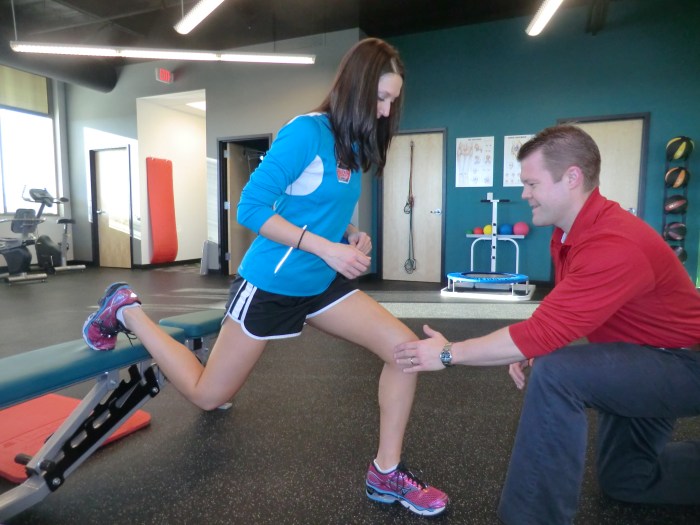
Physical therapy plays a crucial role in the recovery process from sports injuries. It focuses on restoring movement, reducing pain, and promoting overall healing to help athletes get back to their pre-injury level of performance.
Common Physical Therapy Techniques
- Manual Therapy: Hands-on techniques such as massage, stretching, and joint mobilization to improve flexibility and reduce stiffness.
- Therapeutic Exercises: Customized exercises to strengthen muscles, improve range of motion, and enhance balance and coordination.
- Electrotherapy: The use of electrical stimulation to reduce pain, promote tissue healing, and improve muscle function.
- Ultrasound Therapy: High-frequency sound waves to generate heat deep within tissues, aiding in pain relief and tissue repair.
Importance of Compliance with Physical Therapy
Compliance with physical therapy recommendations is essential for optimal recovery from sports injuries. Athletes must actively participate in their rehabilitation program to achieve the best results and prevent re-injury. Skipping sessions or neglecting exercises can delay the healing process and hinder performance improvement.
Emerging Technologies in Sports Injury Recovery
As technology continues to advance, the field of sports injury recovery has seen significant developments that are revolutionizing the way athletes rehabilitate from injuries. These emerging technologies play a crucial role in speeding up recovery, improving outcomes, and preventing future injuries.
Virtual Reality in Sports Injury Rehabilitation
- Virtual reality (VR) technology is being used to create immersive environments that aid in physical therapy for athletes recovering from injuries.
- Athletes can engage in virtual simulations of sports-specific movements to regain strength, mobility, and coordination in a safe and controlled environment.
- VR therapy can also help athletes manage pain and improve mental focus during the rehabilitation process.
Wearable Devices for Monitoring and Recovery
- Wearable devices such as smart compression sleeves, sensors, and activity trackers are being used to monitor athletes’ performance and track their recovery progress.
- These devices provide real-time data on metrics like heart rate, muscle activity, and movement patterns, allowing trainers and therapists to customize rehabilitation programs for optimal results.
- Athletes can use wearable devices to prevent overtraining, monitor workload, and reduce the risk of reinjury by optimizing their recovery process.
Data Analytics and AI in Sports Injury Management
- Data analytics and artificial intelligence (AI) are transforming sports injury management by analyzing large datasets to identify injury patterns, risk factors, and optimal treatment approaches.
- AI algorithms can predict potential injuries based on athletes’ biomechanics, training loads, and injury history, enabling proactive interventions to prevent injuries before they occur.
- By leveraging data analytics, sports teams and medical professionals can make informed decisions to enhance performance, reduce downtime, and maximize athletes’ long-term health and well-being.
Case Studies in Sports Injury Recovery
Recovering from a serious sports injury can be a challenging journey for athletes, both physically and mentally. Let’s explore some real-life examples of athletes who have successfully overcome significant injuries to return to their sport.
Case Study 1: ACL Tear Recovery
One common sports injury among athletes is an ACL tear, which can be career-threatening. A professional football player tore his ACL during a game, requiring surgery and months of rehabilitation. Despite the challenges, he remained dedicated to his recovery program, working closely with physical therapists and trainers to regain strength and mobility. Through hard work and determination, he was able to return to the field and continue his career at the same level of performance.
Case Study 2: Concussion Management in Hockey
Concussions are another prevalent sports injury, especially in contact sports like hockey. A young hockey player suffered a severe concussion during a game, experiencing symptoms that affected his daily life. With the help of medical professionals specializing in concussion management, he underwent a structured recovery plan that included rest, cognitive exercises, and gradual return to physical activity. After several months of treatment, he successfully recovered and returned to the ice, taking necessary precautions to prevent future injuries.
Case Study 3: Achilles Tendon Rupture in Track and Field
An elite track and field athlete ruptured his Achilles tendon during a competition, requiring surgical intervention and extensive rehabilitation. The road to recovery was long and arduous, with setbacks and frustrations along the way. However, with unwavering commitment and support from his medical team, he followed a progressive rehabilitation program that focused on strengthening the tendon and improving flexibility. After months of hard work and dedication, he made a remarkable comeback to the sport, showcasing resilience and determination in the face of adversity.
Website Highlight: poplefi.info
Introducing poplefi.info, a website dedicated to providing valuable resources and information on sports injuries and recovery.
Purpose and Target Audience
Poplefi.info aims to educate athletes, coaches, and sports enthusiasts about the various aspects of sports injuries, prevention strategies, treatment options, and recovery techniques. The website targets individuals involved in sports activities who are looking to enhance their knowledge and understanding of sports-related injuries.
Resources Available
- Poplefi.info offers in-depth articles on common sports injuries, their causes, symptoms, and treatment methods.
- The website provides tips and guidelines for preventing sports injuries through proper training, equipment usage, and sports techniques.
- Users can access tools and resources such as injury recovery exercises, rehabilitation programs, and injury prevention plans.
- Poplefi.info also features case studies highlighting successful sports injury recovery stories, inspiring and motivating individuals on their road to recovery.
In conclusion, navigating the realm of sports injuries and recovery requires a blend of knowledge, caution, and resilience. Whether it’s learning about effective treatments, embracing technological advancements, or drawing inspiration from real-life recovery stories, this journey is as enlightening as it is empowering. Take charge of your recovery and sport with confidence, armed with the insights shared in this comprehensive discussion.
Helpful Answers
How can I prevent sports injuries?
Regularly warming up, using proper equipment, and maintaining fitness and flexibility can help prevent sports injuries.
What is the role of physical therapy in recovery?
Physical therapy aids in the recovery process by using specialized techniques to rehabilitate the injured area and improve strength and mobility.
Are emerging technologies beneficial in sports injury recovery?
Yes, emerging technologies like virtual reality and wearable devices are proving to be effective tools in aiding the recovery of athletes from sports injuries.


