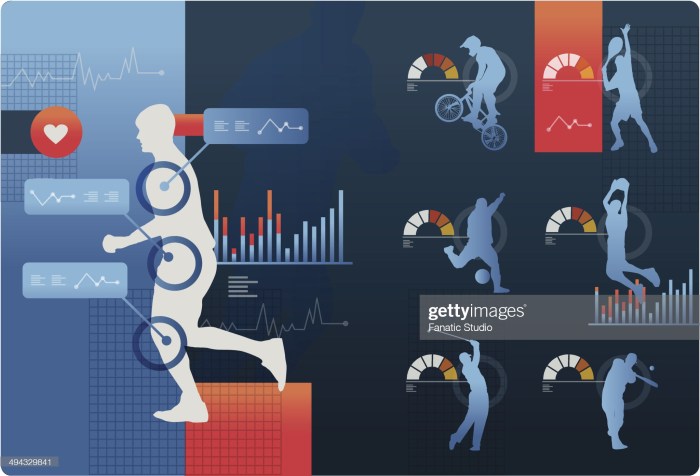
Embark on a journey into the world of Sports analytics, where data and technology intersect to reshape the landscape of modern sports, enhancing player performance and team strategies.
Discover the pivotal role of analytics in revolutionizing how sports are played, analyzed, and enjoyed by fans worldwide.
Introduction to Sports Analytics
Sports analytics is the practice of analyzing data to gain insights and make informed decisions in the world of sports. It plays a crucial role in modern sports by providing teams, coaches, and players with valuable information that can lead to improved performance and strategic decision-making.
Significance of Sports Analytics
In today’s sports industry, data and technology have revolutionized the way teams approach training, scouting, and game planning. By leveraging data analytics, teams can uncover patterns, trends, and correlations that were previously difficult to identify. This allows for a more data-driven approach to player development and team strategies.
Player Performance and Team Strategies
Sports analytics has a direct impact on enhancing player performance and optimizing team strategies. Through the analysis of player statistics, biometric data, and performance metrics, teams can identify areas for improvement and tailor training programs to address specific weaknesses. Additionally, advanced statistical models can help coaches make informed decisions during games, such as in-game adjustments and lineup optimizations.
Types of Sports Analytics
Sports analytics encompasses various types of analysis that help sports teams and organizations make informed decisions and gain a competitive edge. Let’s delve into some of the key types of sports analytics:
Player Performance Analysis
Player performance analysis involves evaluating individual players’ performances based on various metrics such as scoring efficiency, defensive effectiveness, and overall contribution to the team. Teams use this type of analytics to identify strengths and weaknesses in players, optimize game strategies, and make roster decisions.
Predictive Analytics
Predictive analytics in sports involves using historical data and statistical algorithms to forecast future outcomes, such as game results, player performance, and injury likelihood. By analyzing patterns and trends, teams can make data-driven decisions to enhance performance and minimize risks.
Injury Prevention Analytics
Injury prevention analytics focuses on monitoring athletes’ health and performance data to identify potential injury risks and prevent injuries before they occur. By tracking factors like workload, movement patterns, and recovery time, teams can implement proactive measures to keep athletes healthy and in top condition.
Real-Time Data Analysis
Real-time data analysis is crucial in sports events as it provides teams with immediate insights into game dynamics, player performance, and opponent strategies. By leveraging real-time data from sensors, cameras, and other sources, teams can make quick adjustments, assess game situations, and optimize decision-making during matches.
Tools and Technologies in Sports Analytics
Sports analytics rely on a variety of tools and technologies to gather, process, and analyze data to extract valuable insights that can improve player performance and game outcomes.
Wearable Sensors
Wearable sensors play a crucial role in capturing real-time data on athletes’ movements, heart rate, and other physical metrics. These sensors provide coaches and trainers with valuable information to monitor performance, prevent injuries, and optimize training regimens.
Computer Vision
Computer vision technology allows for the analysis of video footage to track player movements, identify patterns, and assess performance. By using computer vision algorithms, teams can gain a deeper understanding of gameplay strategies and player behavior.
AI Algorithms
Artificial intelligence algorithms are used to process and analyze vast amounts of data collected from various sources, such as sensors, cameras, and performance metrics. These algorithms can identify trends, make predictions, and provide recommendations to coaches and managers based on the data analysis.
Big Data Processing
- Large volumes of data are collected from different sources, including sensors, social media, and historical records.
- Data is cleaned, organized, and stored in databases for easy access and analysis.
- Advanced analytics tools are used to process the data and extract meaningful insights.
Machine Learning in Sports
- Machine learning algorithms can predict game outcomes based on historical data, player performance, and other variables.
- Player performance can be analyzed to identify strengths, weaknesses, and areas for improvement.
- Machine learning models can provide personalized training programs and strategies for individual athletes.
Applications of Sports Analytics
Sports analytics plays a crucial role in various aspects of sports, including talent scouting, recruitment, and fan engagement. Let’s explore how this data-driven approach is utilized in different sports like football, basketball, and baseball.
Role of Sports Analytics in Talent Scouting and Recruitment
Sports analytics has revolutionized the way teams identify and recruit talent. By analyzing player performance data, teams can make more informed decisions when scouting for new players. This data-driven approach helps teams identify undervalued players, predict player potential, and optimize team composition for success.
Sports Analytics in Different Sports
- Football: In football, sports analytics is used to analyze player performance metrics such as passing accuracy, distance covered, and goals scored. Coaches and managers use this data to make tactical decisions, evaluate player performance, and develop game strategies.
- Basketball: In basketball, sports analytics is employed to analyze player efficiency, shooting percentages, and defensive metrics. Teams use this data to optimize player rotations, develop offensive plays, and improve overall team performance.
- Baseball: In baseball, sports analytics is utilized to analyze player statistics like batting average, on-base percentage, and pitching velocity. Teams use this data to make informed decisions on player acquisitions, optimize lineups, and develop pitching strategies.
Enhancing Fan Engagement and Viewer Experience
Sports analytics is not only beneficial for teams and players but also for fans. By providing in-depth statistics, insights, and analysis, sports analytics enhances fan engagement and enriches the viewer experience. Fans can gain a deeper understanding of the game, track player performance, and enjoy a more immersive sports viewing experience.
Case Studies in Sports Analytics
Sports analytics has revolutionized the way professional sports teams make decisions, both on and off the field. By utilizing data-driven insights, teams have been able to improve their strategies, player development, and overall performance.
Successful Implementation in Major League Baseball
One of the most well-known examples of successful sports analytics implementation is in Major League Baseball (MLB). Teams like the Oakland Athletics, made famous by the book and movie “Moneyball,” have used data analytics to identify undervalued players and create competitive teams on a limited budget.
- Analyzing player performance metrics, such as on-base percentage and slugging percentage, allowed teams to make informed decisions on player recruitment and lineup selections.
- By focusing on data-driven insights, teams were able to optimize player performance and maximize their chances of winning games.
- Challenges faced included resistance to change from traditionalists in the sport, but the success of teams like the Athletics proved the value of sports analytics in MLB.
Impact on Soccer Team Strategies
In soccer, teams like FC Barcelona have used sports analytics to enhance their playing style and tactics on the field.
- By analyzing player movement data and passing patterns, teams can identify areas for improvement and develop more effective strategies during matches.
- Data-driven insights have helped teams like FC Barcelona maintain possession, create scoring opportunities, and dominate games against tough opponents.
- Challenges in implementing sports analytics in soccer included the need for advanced tracking technologies and the cultural shift towards data-driven decision-making in the sport.
Impact of Sports Analytics on Betting and Fantasy Sports
Sports analytics has revolutionized the way sports betting and fantasy sports operate, bringing a data-driven approach to decision-making in these platforms.
Influence of Sports Analytics on Sports Betting
Sports analytics plays a crucial role in creating odds and projections in sports betting. By analyzing massive amounts of data, including player statistics, team performance, and historical trends, bookmakers can determine the probabilities of different outcomes in sports events. This data-driven approach helps them set accurate odds that reflect the true likelihood of each outcome, ultimately improving the overall fairness and competitiveness of sports betting.
Role of Analytics in Fantasy Sports
In fantasy sports, analytics is used extensively during drafts and player selection processes. Fantasy sports enthusiasts leverage data analysis to evaluate player performance, identify undervalued assets, and make informed decisions when building their fantasy teams. By utilizing advanced statistical models and predictive analytics, fantasy sports players can gain a competitive edge and increase their chances of success in fantasy leagues.
Future Trends in Sports Analytics
With the rapid advancements in technology, the future of sports analytics is poised to undergo significant transformations. Let’s explore some key trends that are likely to shape the landscape of sports analytics in the coming years.
Integration of Virtual Reality and Augmented Reality
Virtual reality (VR) and augmented reality (AR) technologies are expected to play a crucial role in enhancing the way sports data is collected, analyzed, and visualized. VR can provide immersive training experiences for athletes, allowing them to simulate game scenarios and improve their performance. On the other hand, AR can be used to overlay real-time data and statistics during live games, offering fans a more engaging viewing experience.
Potential of Biometric Data and IoT Devices
The use of biometric data, such as heart rate, body temperature, and oxygen levels, along with IoT devices like wearables, is set to revolutionize sports analytics. These technologies can provide real-time insights into an athlete’s physical condition, helping coaches and trainers optimize training regimens, prevent injuries, and maximize performance on the field.
Ethical Considerations in Sports Analytics
As sports analytics continues to evolve, ethical considerations surrounding data privacy, consent, and fairness will become increasingly important. It is crucial for organizations and stakeholders in the sports industry to establish clear guidelines and policies to ensure that the use of data analytics is ethical and complies with regulations. Transparency and accountability will be key in shaping the future development of sports analytics.
Related Resource: Poplefi.info
Introducing Poplefi.info, a dedicated platform providing insights and articles on sports analytics. Users can find valuable information and resources related to sports analytics on this platform.
Types of Content on Poplefi.info
- Tutorials: Step-by-step guides on various aspects of sports analytics, helping users understand complex concepts.
- Case Studies: Real-life examples showcasing the application of sports analytics in different scenarios, providing practical insights.
- Industry News: Updates on the latest trends, developments, and innovations in the field of sports analytics, keeping users informed.
Benefits for Users
- Education: Users can enhance their knowledge and skills in sports analytics through tutorials and case studies available on Poplefi.info.
- Insights: Access to industry news and updates helps users stay informed about the latest trends and advancements in sports analytics.
- Practical Application: By studying case studies, users can understand how sports analytics is implemented in real-world scenarios, allowing them to apply similar strategies in their own work.
In conclusion, Sports analytics stands as a game-changer in the sports industry, offering unprecedented insights and opportunities for teams, players, and enthusiasts alike. Dive into this data-driven realm and unlock the potential for a new era in sports.
Frequently Asked Questions
How does sports analytics impact player performance?
Sports analytics help identify strengths and weaknesses, leading to targeted improvements and optimized performance.
What tools are commonly used in sports analytics?
Popular tools include wearable sensors, computer vision, and AI algorithms, enabling in-depth analysis and insights.
Can sports analytics be applied to different sports?
Absolutely, sports analytics is versatile and can be utilized across various sports like football, basketball, and baseball.
How does sports analytics enhance fan engagement?
By providing engaging insights and analysis, sports analytics creates a more immersive and interactive experience for fans.


